
Growing Up Greek: The Food Traditions That Follow Us Everywhere
From Sunday dinners and family recipes to Greek festivals and holiday traditions, explore the food and memories that connect Greek communities across generations.
By The Mazi Team4 min read

For many people who grew up in Greek families, food was never just food.
It was how holidays were celebrated, how family gathered, how traditions were passed down, and how people showed they cared.
There were meals that took hours to prepare, recipes that were never written down, and tables that somehow always had room for one more person.
Whether you grew up in Greece or in a Greek-American household thousands of miles away, certain food traditions have a way of staying with you.
And sometimes, the smallest things are the ones you remember most.
The Family Table Was Always the Center
In many Greek households, gathering around the table is about much more than eating.
Meals are opportunities to catch up, share stories, celebrate milestones, and spend time together.
A Sunday lunch might turn into an afternoon gathering. One dish becomes several. Someone brings dessert, someone else makes a salad, and there's always another plate being offered.
The meal itself becomes an event.
This emphasis on sharing is one of the things that makes Greek food culture so special. Food is often served in a way that encourages everyone to participate rather than simply ordering an individual meal and going their separate ways.
Recipes That Get Passed Down
Some of the most meaningful Greek dishes aren't found on restaurant menus.
They're the recipes made at home, often passed from one generation to the next.
Maybe it's a grandmother's spanakopita, a family's version of pastitsio, or a particular way of preparing roasted lamb.
And not every recipe comes with exact measurements.
A little more olive oil. A handful of herbs. A pinch of this or that.
Sometimes the instructions are simply to watch, taste, and learn.
These recipes are more than instructions for preparing a meal. They're connections to family history, memories, and the people who taught us how to make them.
Greek Holidays Have Their Own Flavors
Food plays a central role in many Greek celebrations.
At Easter, the table might feature magiritsa, roasted lamb, tsoureki, and red-dyed eggs, depending on family and regional traditions.
Christmas brings its own collection of sweets, including melomakarona and kourabiedes.
And throughout the year, name days, weddings, baptisms, and other gatherings often involve food prepared and shared with family and friends.
Even when traditions vary between households, the idea remains familiar: important moments are worth celebrating around a table.
Greek Festivals: A Taste of Home
For Greek communities outside Greece, local Greek festivals can be especially meaningful.
They bring together food, music, dancing, and traditions that help keep Greek culture visible and accessible to the wider community.
For some people, it's an opportunity to reconnect with their heritage. For others, it's their first introduction to Greek food.
And then there's the food.
Gyros, souvlaki, spanakopita, tiropita, Greek pastries, and plenty of other favorites make their way from the kitchen to the festival grounds.
It's also an opportunity to support local Greek churches, organizations, and communities.
For many Greek-Americans, these festivals become a yearly tradition in their own right.
The Restaurants That Remind Us of Home
Sometimes, the connection to Greek food happens outside the home.
A neighborhood Greek restaurant might become a regular family gathering place. A particular bakery might be where you go every holiday season. A small taverna might remind you of a trip to Greece.
These places become part of our own traditions.
They are the restaurants we recommend to friends, the places we revisit when we're craving something familiar, and the ones we hope never change.
And for people who don't have Greek family nearby, these restaurants can offer a way to experience a little of that culture and hospitality.
Traditions Can Change, but the Connection Remains
Greek food traditions look different from family to family.
Some people grew up speaking Greek at home. Others learned about their heritage through food, festivals, and family gatherings. Some traditions have remained almost unchanged, while others have evolved over generations and across continents.
There isn't one single way to experience Greek culture.
But food has a remarkable ability to connect people, regardless of where they grew up or how far they are from their family's roots.
It's a recipe shared between generations, a meal that brings everyone together, or a restaurant that reminds you of somewhere you've been.
A Table With Room for Everyone
Perhaps that's the most beautiful thing about Greek food culture.
You don't have to grow up Greek to appreciate it. You don't have to know every dish on the menu or understand every tradition.
You just have to be willing to sit down, share a meal, and enjoy the experience.
Because at the end of the day, Greek food has always been about more than what's on the plate.
It's about the people around it.
And there's always room for one more at the table.
Keep reading
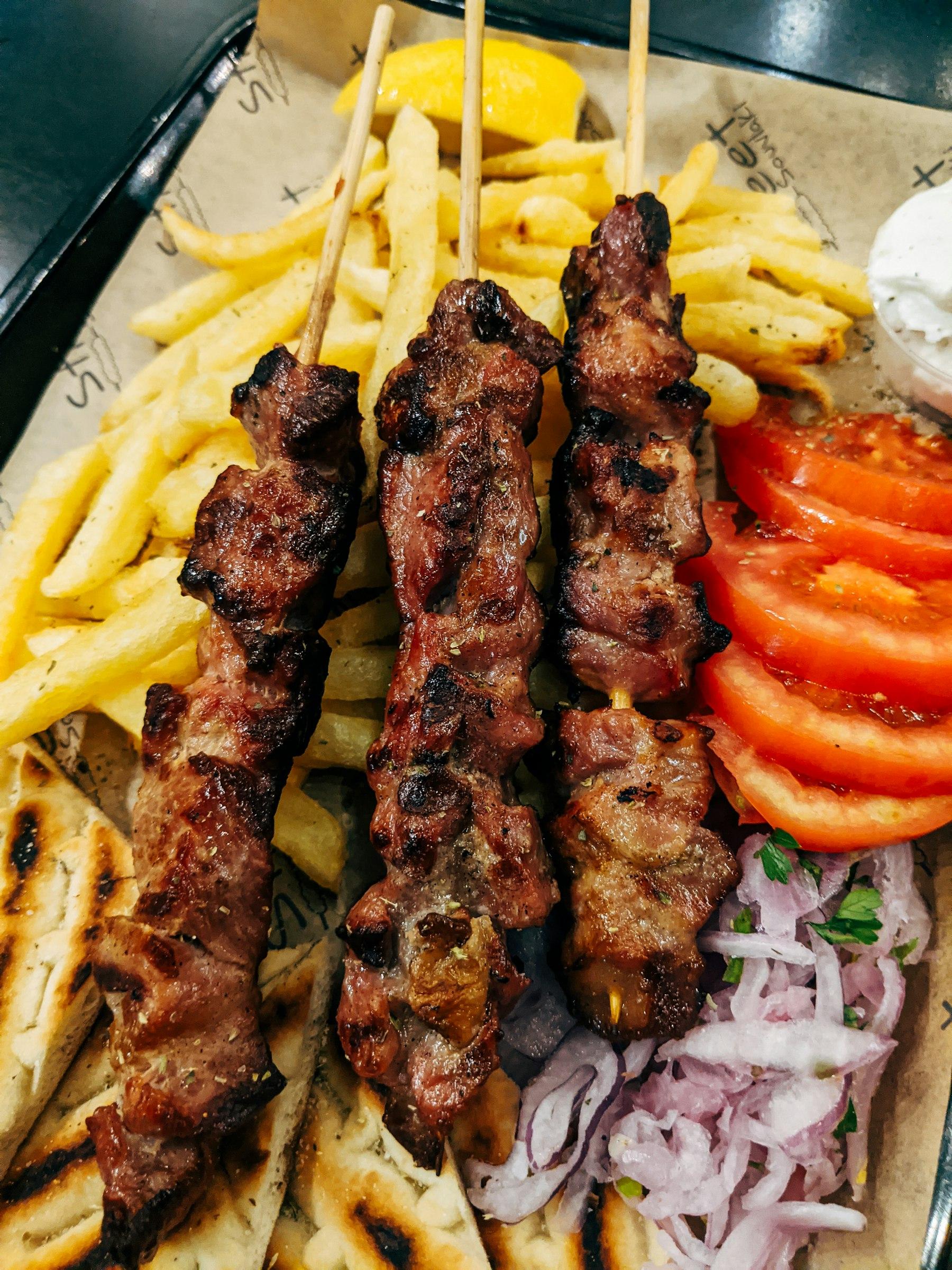
Greek Food Guides
Gyro vs. Souvlaki: What's the Difference?
Gyro or souvlaki? Learn the differences between two popular Greek dishes, how they're prepared, and what makes each one unique.
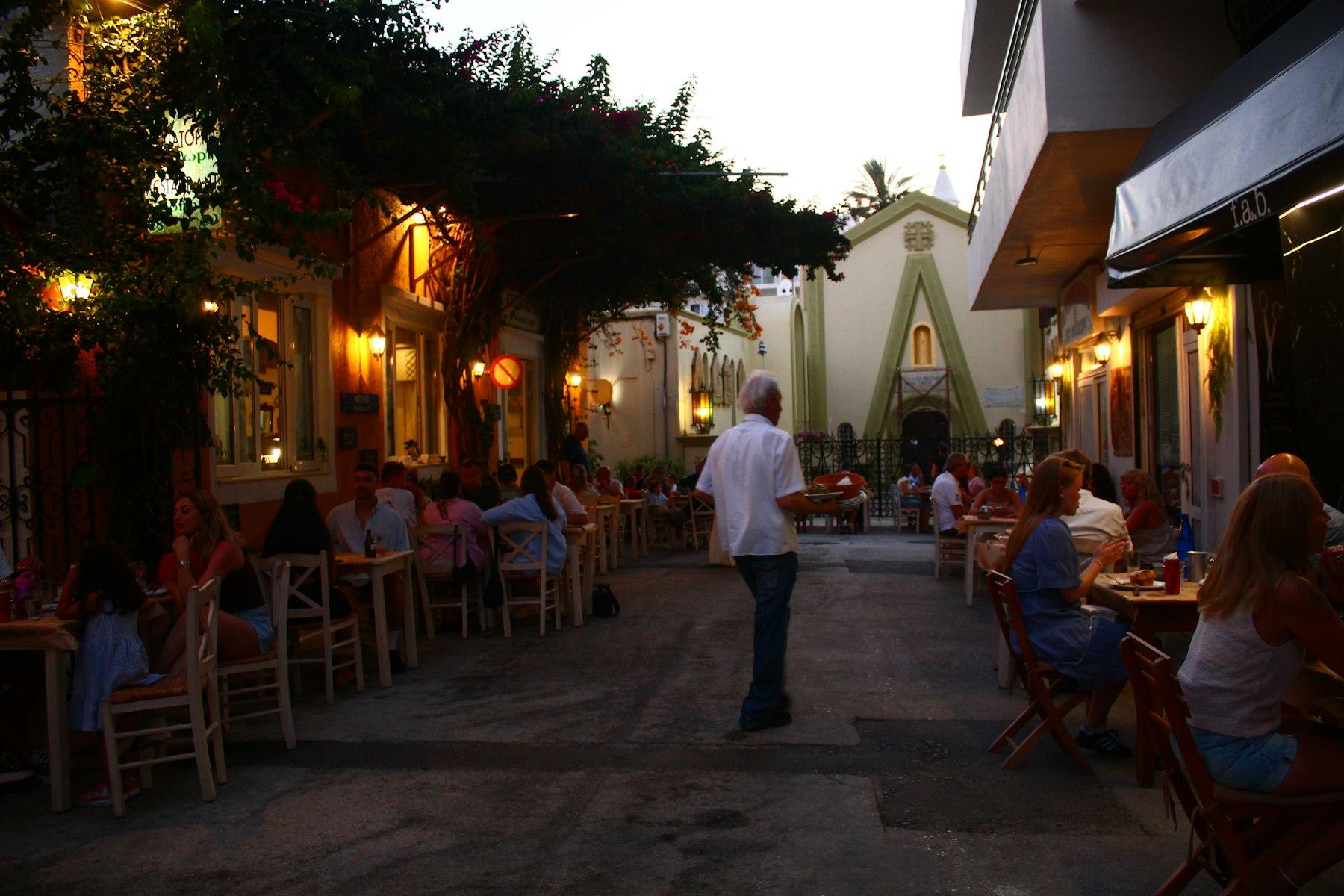
Restaurant Discovery
What Actually Makes a Great Greek Restaurant?
What separates a good Greek restaurant from a great one? Explore the food, hospitality, atmosphere, and traditions that make Greek dining special.
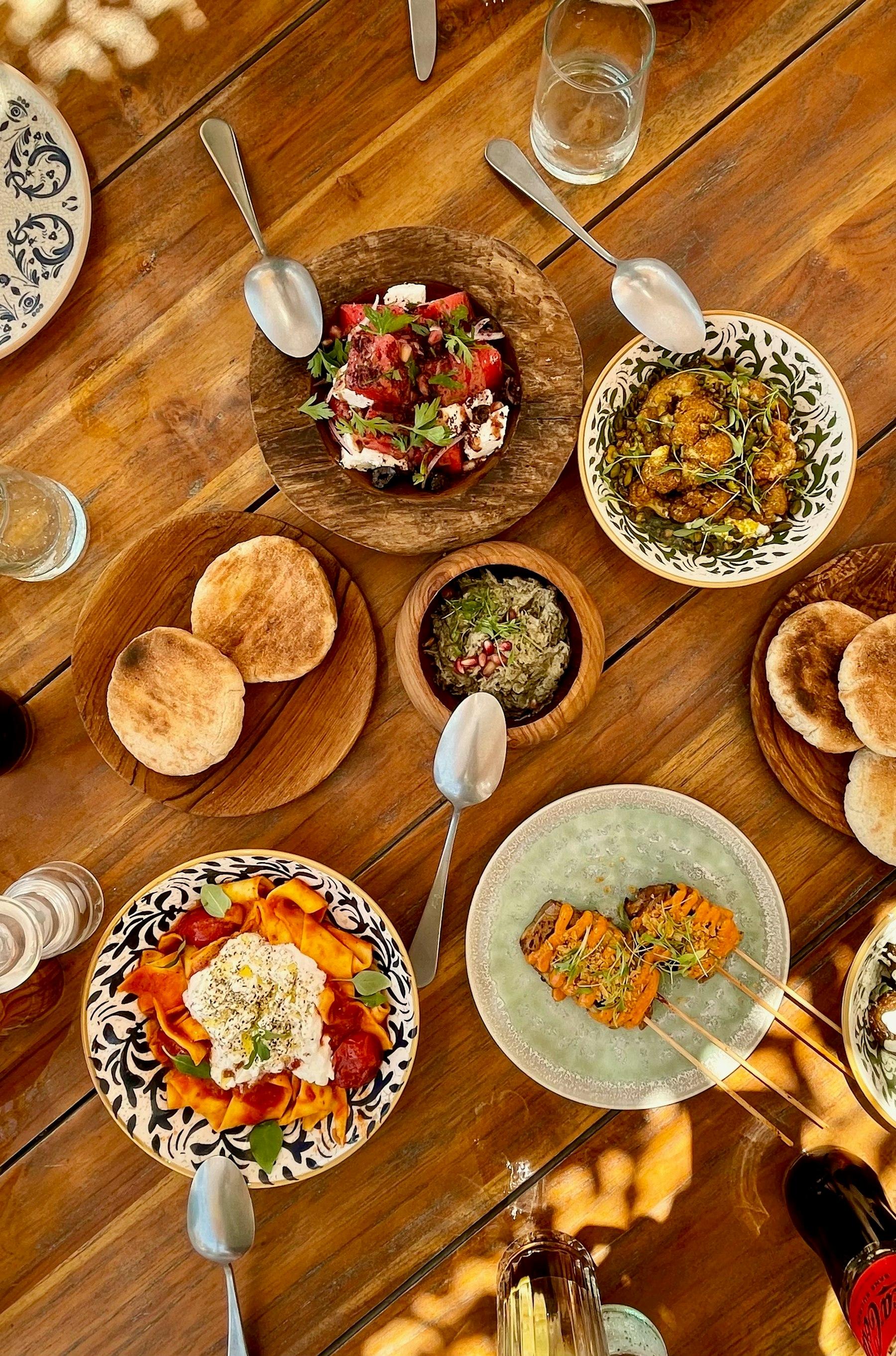
Greek Food Culture
Greek Food Is More Than Gyros: A Guide to the Dishes You Should Know
Greek cuisine goes far beyond gyros. Discover traditional Greek dishes, from meze and spanakopita to moussaka, fresh seafood, and regional specialties.