
What Actually Makes a Great Greek Restaurant?
What separates a good Greek restaurant from a great one? Explore the food, hospitality, atmosphere, and traditions that make Greek dining special.
By The Mazi Team4 min read

What makes a Greek restaurant truly great?
Is it the food? The atmosphere? The hospitality? Maybe it's the family behind the kitchen, the recipes that have been passed down for generations, or the feeling you get when you walk through the door.
The truth is, it's usually a combination of all of these things.
Greek restaurants come in all forms. Some are neighborhood tavernas serving traditional family recipes. Others are modern restaurants putting their own spin on Greek cuisine. Some specialize in fresh seafood, while others are known for their grilled meats, pastries, or regional dishes.
But regardless of the style, certain things tend to separate a memorable Greek dining experience from an ordinary one.
Here are seven things worth paying attention to.
1. The Quality of the Food
This one might seem obvious, but great Greek food doesn't have to be complicated.
Some of the best dishes in Greek cuisine are built around a handful of ingredients: fresh tomatoes, good olive oil, lemon, herbs, seafood, and quality meats.
The difference often comes down to preparation and ingredient quality.
A great Greek salad should showcase fresh vegetables and good feta. Grilled seafood should be cooked properly. Tzatziki should taste fresh, and grilled meats should have flavor beyond whatever seasoning is sprinkled on top.
The best restaurants understand that simplicity requires quality.
2. Hospitality That Feels Genuine
Hospitality is a central part of Greek dining culture.
The Greek concept of filoxenia is often translated as hospitality toward strangers or love of guests. It reflects the importance of making people feel welcome.
In a great Greek restaurant, hospitality should feel natural rather than forced.
It's the warmth of being greeted when you walk in, a server who takes the time to explain the menu, and an atmosphere where you feel comfortable staying a little longer.
You don't have to be Greek to appreciate that feeling.
3. A Menu With Character
A restaurant's menu can tell you a lot about what it values.
A great Greek restaurant doesn't necessarily need an enormous menu. In fact, a more focused selection can be a sign of confidence in what the kitchen does best.
Look for dishes that showcase different aspects of Greek cuisine: traditional appetizers, grilled specialties, seafood, seasonal vegetables, and regional favorites.
It's also worth noticing whether a restaurant offers dishes beyond the most familiar options.
Gyros and souvlaki deserve their place, but there's an entire world of Greek cooking beyond them.
4. An Atmosphere That Makes You Want to Stay
A great restaurant experience isn't only about what arrives on the plate.
It's also about the environment surrounding the meal.
Some Greek restaurants have the lively atmosphere of a traditional taverna, while others offer a quieter, more contemporary dining experience.
There isn't one correct aesthetic.
What matters is whether the atmosphere feels intentional, comfortable, and welcoming.
A restaurant should make you want to order another appetizer, spend more time with your friends, and enjoy the evening instead of rushing through the meal.
5. Consistency
One incredible dinner can make a restaurant memorable. Consistency is what makes people return.
Great restaurants deliver a dependable experience across visits.
The food tastes as good the second time as it did the first. Service remains thoughtful. Favorite dishes don't suddenly become unrecognizable.
Consistency is especially important when considering restaurant recommendations. A restaurant's reputation should reflect more than one exceptional experience.
6. A Connection to Greek Culture
Not every great Greek restaurant needs to be traditional, family-owned, or operated by Greek people.
Greek cuisine can be celebrated in many different ways.
But restaurants that understand the culture behind the food often offer something particularly special.
It might be a family recipe, a regional specialty, a traditional cooking technique, or simply an appreciation for the role that food plays in Greek gatherings.
The best experiences often go beyond simply serving Greek-inspired dishes.
7. The Feeling You Leave With
Perhaps the most important factor is something that can be difficult to measure.
Think about the restaurants you recommend without hesitation. The places you bring visiting friends, return to for birthdays, or think about when you're craving a particular dish.
There's usually a reason those restaurants stand out.
Maybe the food was exceptional. Maybe the people made you feel at home. Maybe the entire experience reminded you of a meal you've enjoyed a hundred times before.
Whatever the reason, the restaurants that stay with us tend to be the ones that create an experience worth repeating.
So, What Makes a Greek Restaurant Great?
There's no universal formula.
One person might prioritize traditional recipes, while another cares most about fresh seafood or a lively atmosphere. Everyone has their own definition of a perfect Greek restaurant.
And that's part of the fun.
At Mazi, we believe discovering and sharing those opinions is what makes exploring Greek restaurants so interesting.
Because everyone has a favorite, and there's always another great Greek restaurant waiting to be discovered.
The question is: What's yours?
Keep reading

Greek-American Community
Growing Up Greek: The Food Traditions That Follow Us Everywhere
From Sunday dinners and family recipes to Greek festivals and holiday traditions, explore the food and memories that connect Greek communities across generations.
Greek Food Guides
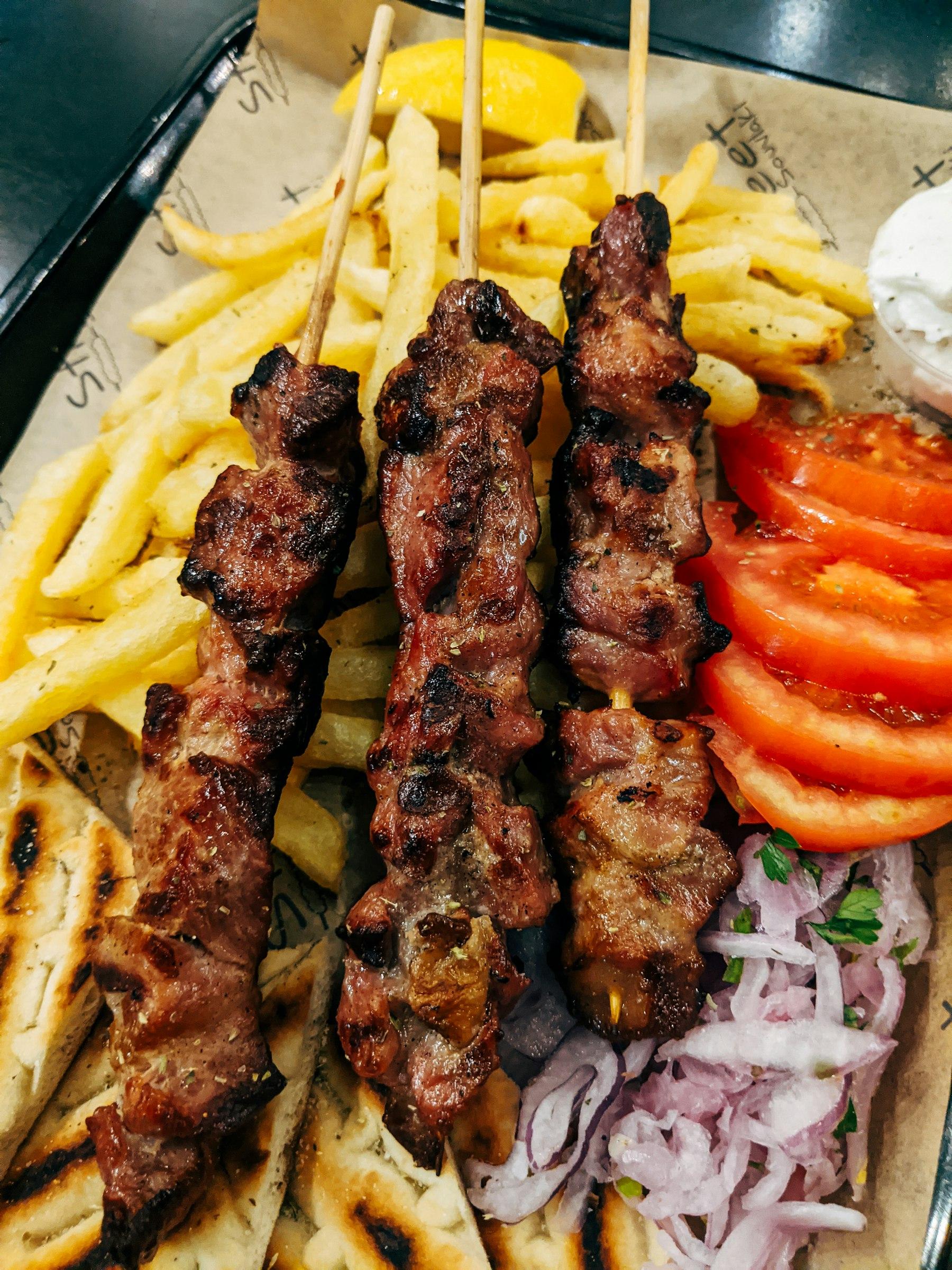
Gyro vs. Souvlaki: What's the Difference?
Gyro or souvlaki? Learn the differences between two popular Greek dishes, how they're prepared, and what makes each one unique.
Greek Food Culture
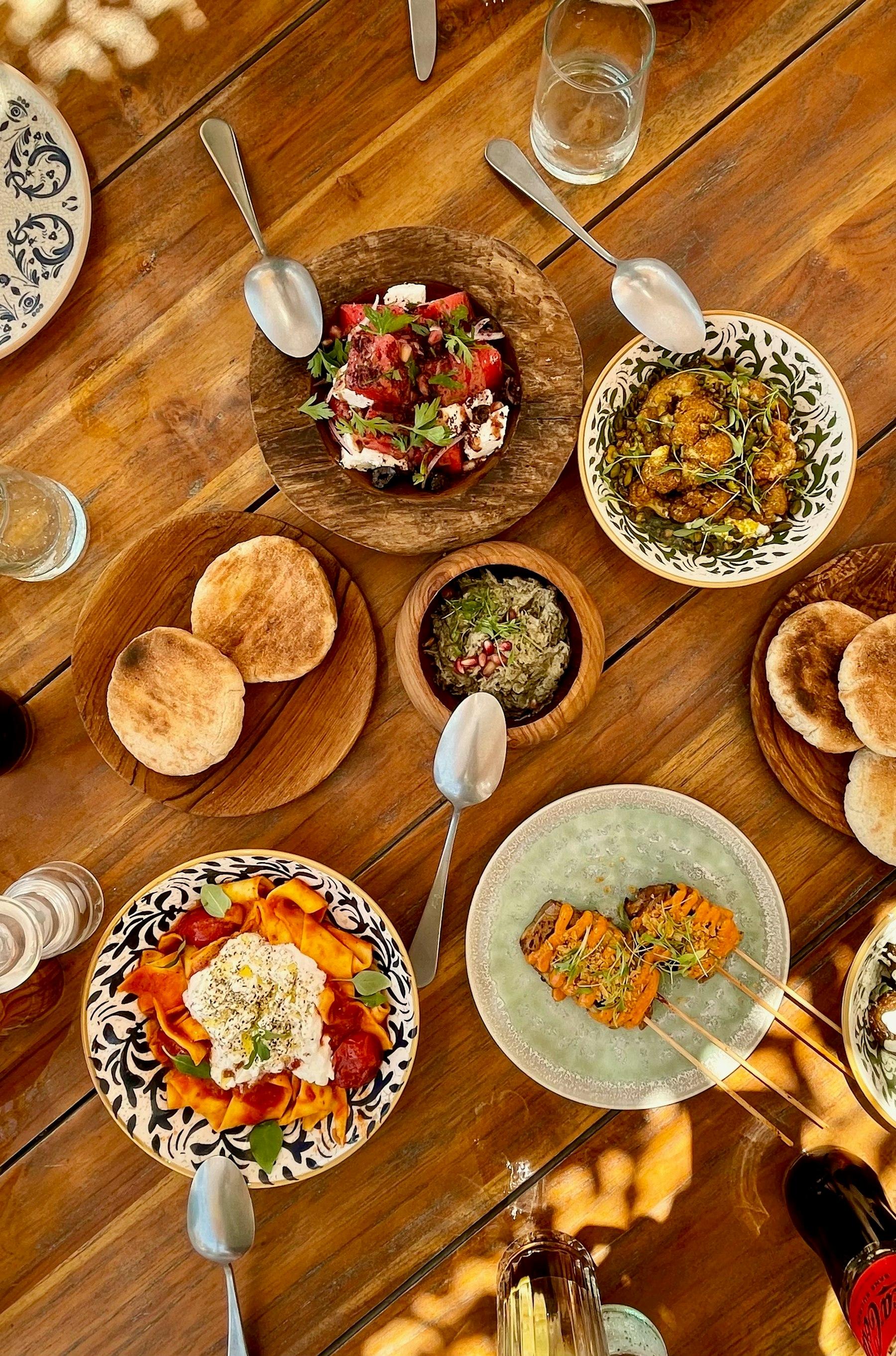
Greek Food Is More Than Gyros: A Guide to the Dishes You Should Know
Greek cuisine goes far beyond gyros. Discover traditional Greek dishes, from meze and spanakopita to moussaka, fresh seafood, and regional specialties.